

Property Developers Insurance Malaysia
Property development drives Malaysia's built environment—from high-rise condominiums in Kuala Lumpur and Penang to township developments in Selangor and Johor, commercial complexes, and industrial parks. Developers manage risk across the entire property lifecycle: land acquisition, construction, sales, handover, and ongoing ownership of retained assets. Each phase presents distinct exposures requiring appropriate insurance protection. Foundation works with property developers across Malaysia, listed developers undertaking multiple concurrent projects, private developers focused on specific market segments, and investment holding companies managing completed property portfolios. We structure insurance programmes addressing both construction-phase exposures and ongoing protection for completed developments and investment properties.
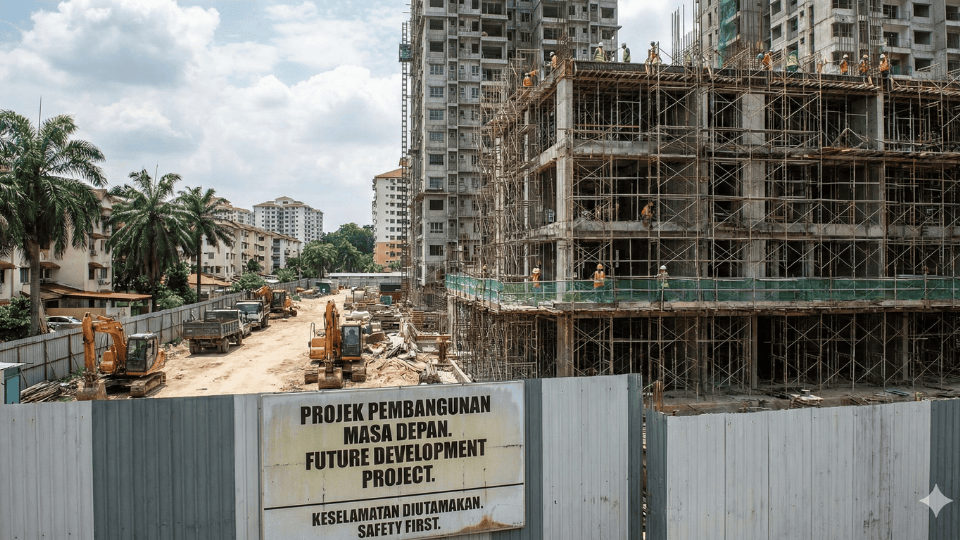
Why Property Developers Insurance Matters in Malaysia
Property development concentrates substantial capital in projects that take years to complete. A typical condominium development represents investment measured in hundreds of millions of ringgit, exposed to construction risks throughout a three to five-year development cycle. Fire, flood, construction defects, or contractor failures can destroy value accumulated over years of planning and construction.
Bank financing creates insurance obligations that developers must satisfy. Development loans, bridging finance, and end-financing arrangements all require insurance protecting lender security interests. Banks specify coverage types, minimum limits, and policy conditions as financing prerequisites—inadequate insurance can delay loan drawdowns or trigger covenant breaches.
Developers also face liability exposures extending beyond construction completion. Defects liability periods create ongoing obligations to purchasers. Common property management responsibilities continue for developments with retained strata units. Liability for injuries on development sites or in completed buildings requires coverage throughout ownership periods.
The property development cycle means developers simultaneously manage different insurance needs—construction coverage for projects under development, property coverage for completed unsold inventory, and portfolio protection for retained investment properties. Coordinating coverage across these phases prevents gaps that could leave significant exposures uninsured.
What Property Developers Insurance Covers
1. Contractor's All Risk (CAR) Insurance
Covers physical loss or damage to construction works during development projects. CAR coverage protects the developer's interest in works under construction against fire, flood, storm, theft, and accidental damage. Coverage extends through the construction period and typically includes defects liability period protection for completed works awaiting handover.
2. Advance Loss of Profits (ALOP) Insurance
Covers lost revenue when construction delays caused by insured damage postpone project completion and revenue commencement. For developments with pre-sold units or committed tenants, construction delays create financial consequences beyond physical damage costs. ALOP addresses rental income loss, delayed sales proceeds, and additional financing costs from extended construction periods.
3. Professional Indemnity Insurance
Covers liability arising from professional negligence in project design and management. Developers engaging in design-build arrangements or employing in-house design teams face professional liability exposures. Project-specific professional indemnity (SPPI) coverage addresses design liability for individual developments.
4. Fire Insurance
Covers completed buildings against fire and specified perils. Once construction completes, developments transition from CAR to permanent property coverage. Fire insurance protects completed unsold inventory, retained investment properties, and common property areas in strata developments.
5. Industrial All Risk (IAR) Insurance
Comprehensive property coverage for completed commercial and industrial developments on all-risks basis. IAR provides broader protection than fire insurance, covering more perils and typically better suited to commercial properties with complex risk profiles or higher values.
6. Public Liability Insurance
Covers legal liability for bodily injury and property damage to third parties arising from development activities and property ownership. Liability exposures exist throughout the development cycle—construction site visitors, neighbouring properties affected by construction, and subsequently visitors to completed developments.
7. Directors & Officers (D&O) Liability Insurance
Covers personal liability of company directors and officers for wrongful acts in their management capacity. Property development involves regulatory compliance, stakeholder obligations, and project decisions that can create personal liability exposure for directors of development companies.
8. Workmen's Compensation Insurance
Covers compensation for employees injured during work activities. While main contractor policies cover site workers, developers with direct employees—site supervisors, project managers, sales teams—require separate Workmen's Compensation coverage.
Who Needs Property Developers Insurance in Malaysia?
- Listed Property Developers: Public-listed developers managing multiple concurrent projects face portfolio-level risk exposure and governance requirements including insurance disclosure. Coverage programmes must address diverse project types while meeting Bursa Malaysia corporate governance expectations.
- Private Residential Developers: Developers focused on residential condominiums, landed housing, and township developments require CAR coverage during construction, with transition planning for completed inventory and handover to strata management corporations.
- Commercial Property Developers: Office towers, retail malls, and mixed-use developments involve higher individual asset values and ongoing ownership exposures where developers retain properties as investment assets. Long-term property coverage becomes as important as construction-phase protection.
- Industrial Property Developers: Industrial park developers creating factories, warehouses, and logistics facilities for sale or lease manage construction risks across multiple buildings and ongoing landlord exposures for retained properties.
- Joint Venture Partners: JV arrangements for property development require clear insurance responsibility allocation between partners. Coverage structures must address joint interests while meeting each party's lender and regulatory requirements.
- Land Banking Companies: Companies holding land for future development face property coverage needs for undeveloped land and structures, public liability for site conditions, and transition requirements when development commences.
- Real Estate Investment Trusts (REITs): REITs managing portfolios of completed properties require comprehensive property and liability coverage across multiple assets, often with portfolio programme structures providing consistent protection.
- Integrated Developers: Developers managing the full property lifecycle—from land acquisition through development, property management, and long-term ownership—require insurance programmes spanning all phases and adapting as properties move through the development cycle.
When Do You Need Property Developers Insurance?
- Development Financing Approval: Banks require insurance arrangements as a condition of development loan approval. Coverage must meet lender specifications—sum insured requirements, named insured provisions, policy conditions—before loan disbursement. Early engagement with insurance requirements prevents financing delays.
- Construction Commencement: CAR coverage must be effective before construction activities begin. The main contractor's policy protects contractor interests, but developers need coverage protecting their own interest in works under construction. Coverage should be confirmed before site possession.
- Project Launch and Sales: Launching sales creates obligations to purchasers that insurance supports. Marketing materials, sales and purchase agreements, and purchaser expectations establish commitments that construction delays or defects could breach.
- Vacant Possession and Handover: The transition from construction to completion changes insurance requirements. CAR coverage terminates, and permanent property coverage must protect unsold units, common property, and retained developer interests. Defects liability obligations continue beyond handover.
- Strata Title and MC Formation: Formation of management corporations for strata developments triggers insurance responsibility transfers. Developers must ensure common property coverage transitions appropriately and retained interests maintain protection.
Common Property Developers Insurance Claims
1. Construction Period Fires
Electrical faults, hot work operations, and accumulated construction debris cause fires on development sites. High-rise construction faces particular exposure with limited fire compartmentalisation in partially completed structures. Claims involve damage to completed works, materials, and construction delays.
2. Flood Damage During Construction
The December 2021 Klang Valley floods affected multiple construction projects in Shah Alam and surrounding areas. Flood damage to excavations, foundations, and partially completed structures created claims for remediation work and construction delays. Sites with basement construction face particular flood exposure during monsoon seasons.
3. Defects Liability Claims
Construction defects discovered after handover trigger developer obligations during defects liability periods. While defect rectification typically falls to contractors, developers face direct liability to purchasers and may need to fund remediation pending contractor recovery.
4. Third-Party Liability from Construction
Falling materials injuring pedestrians, construction vibration damaging neighbouring buildings, and tower crane incidents affecting adjacent properties generate liability claims. Urban construction sites in dense areas face elevated third-party exposure requiring adequate liability limits.
5. Delay in Completion
Insured events causing construction delays affect revenue timelines—rental income postponement, delayed sales completions, extended financing costs. ALOP coverage addresses financial consequences beyond physical damage, but requires careful sum insured calculation reflecting actual revenue exposure.
6. Property Damage to Completed Inventory
Unsold completed units and retained properties face ongoing property risks. Fire, flood, vandalism, and break-ins at unoccupied completed units create claims against permanent property coverage. Vacant property conditions and security arrangements affect coverage terms.
How Foundation Works With Property Developers
- Development Cycle Coverage Planning: We map insurance requirements across your development timeline—from land holding through construction, completion, sales, and retained ownership—identifying coverage needs at each phase and transitions between them.
- Lender Requirement Navigation: We ensure coverage meets bank financing specifications, preparing certificates and policy documentation satisfying lender requirements. Early engagement prevents financing delays from insurance documentation issues.
- Portfolio Programme Structuring: For developers with multiple concurrent projects or retained property portfolios, we structure programme approaches providing consistent coverage across assets while accommodating individual property characteristics.
- Strata Transition Management: We guide coverage transitions when developments complete and strata management corporations form, ensuring common property coverage transfers appropriately and developer interests remain protected.
- Claims History Analysis: We review claims experience across your development portfolio, identifying patterns that inform risk management improvements and supporting renewal negotiations with documented loss history.
Frequently Asked Questions (FAQ)
Do developers need separate insurance from the main contractor's CAR policy?
Yes. The main contractor's CAR policy protects contractor interests, with the developer typically named as an additional insured. However, developers should arrange coverage protecting their own interests, ensuring adequate sum insured for developer's works, appropriate extensions, and coverage that responds regardless of contractor policy issues. Relying solely on contractor insurance leaves developers exposed to contractor policy limitations.
How do I insure completed but unsold units?
Completed units transition from CAR to permanent property coverage. Fire or Industrial All Risk policies protect completed inventory against property perils. Vacant property conditions may apply—unoccupied units face different risk profiles than tenanted properties. Coverage should reflect replacement cost and include business interruption for rental properties.
What liability coverage do property developers need?
Public liability coverage addresses third-party injury and property damage claims from construction activities and property ownership. Directors and officers liability protects personal liability of company leadership. Professional indemnity addresses design liability where developers assume design responsibility. Specific limit requirements depend on project scale and contractual obligations.
When does developer insurance responsibility end?
Insurance obligations evolve rather than end definitively. Construction coverage terminates at completion, but defects liability obligations continue. Common property responsibility transfers to management corporations at strata title registration, but developers may retain liability for developer-caused defects. Properties retained as investments require ongoing coverage throughout ownership.
How should joint venture developments handle insurance?
JV insurance arrangements should be documented in the joint venture agreement, specifying which party arranges coverage, how costs are shared, and named insured provisions protecting both parties. Coverage must satisfy each party's lender requirements. Disputes often arise when insurance responsibilities are ambiguous—clear documentation prevents disagreements during claims.
Unlock Exclusive Foundation Content
Subscribe for best practices, research reports, and more, for your industry
Insights on Property & Engineering Risks
Practical guidance on construction, industrial, and engineering insurance in Malaysia


Get A Specialist Quote / Free Review
Whether it's a construction project, industrial facility, or commercial property in Malaysia, we can structure the right insurance coverage or offer you a free insurance policy review

Foundation provides property, engineering, construction and surety insurance for businesses in Malaysia. We are a specialist general insurance intermediary that works with multiple insurance companies to place cover for contractors, manufacturers and industrial operations, combining technical placement experience with our combined 40 years of experience in general insurance.
Foundation is powered by Emerge Insurtech.
PIAM Registration No. 193772-00.
Foundation Insurance Solutions is a registered and licensed insurance intermediary in Malaysia specialising in property and engineering insurance for industrial operations. We provide comprehensive coverage for manufacturers, contractors, and facility owners across construction, electronics, food production, and high-risk industrial sectors.
Emerge Insurtech (M) Sdn Bhd (202101001225):
Level 28, GTower,
Jalan Tun Razak,
50450 Kuala Lumpur,
Wilayah Persekutuan Kuala Lumpur
t: +60149256398 (Samantha)
email: samantha@emergeinsure.co